About Us
We are South Central Neighborhood Collective
“You have to act as if it were possible to radically transform the world. And you have to do it all the time”
— Angela Davis
South Central Neighborhood Collective started because we refuse to wait around for oppressive systems based in coercion, domination, and control to suddenly grow a conscience. We don’t pass out bags and call it solidarity. We build relationships, share resources, and organize alongside our neighbors — because real community care means showing up not just in a crisis, but in the everyday work of imagining and creating alternative systems based on the principles of collective self determination. This is Mutual Aid.
SCNC is rooted in the belief that we don’t have to wait for permission to create change in our communities but that together our commitment to justice, dignity, and care can help create the dual power necessary to challenge the capitalist system and practice new worlds through the creation of sustainable alternatives to for profit models. We recognize that all systems of oppression are inherently linked and stand in solidarity with all oppressed peoples in their fight for liberation as we work together to dismantle these systems of oppression. Mutual aid is a people-powered practice that seeks to make oppressive systems such as white supremacy, racism, capitalism, imperialism, colonization, patriarchy, homophobia, transphobia, and ableism obsolete, and it is our mission to foster a community that reflects those abolitionist values
We’re not service providers. We’re not a safety net for a broken system. We’re the people who live here, shifting away from capitalism and building something different together — a future based in collective care. All We Have is Each Other.
“The future is not some place we are going to, but one we are creating. The paths to it are not found, but made; and the activity of making them changes both the maker and the destination.”
— Peter Ellyard
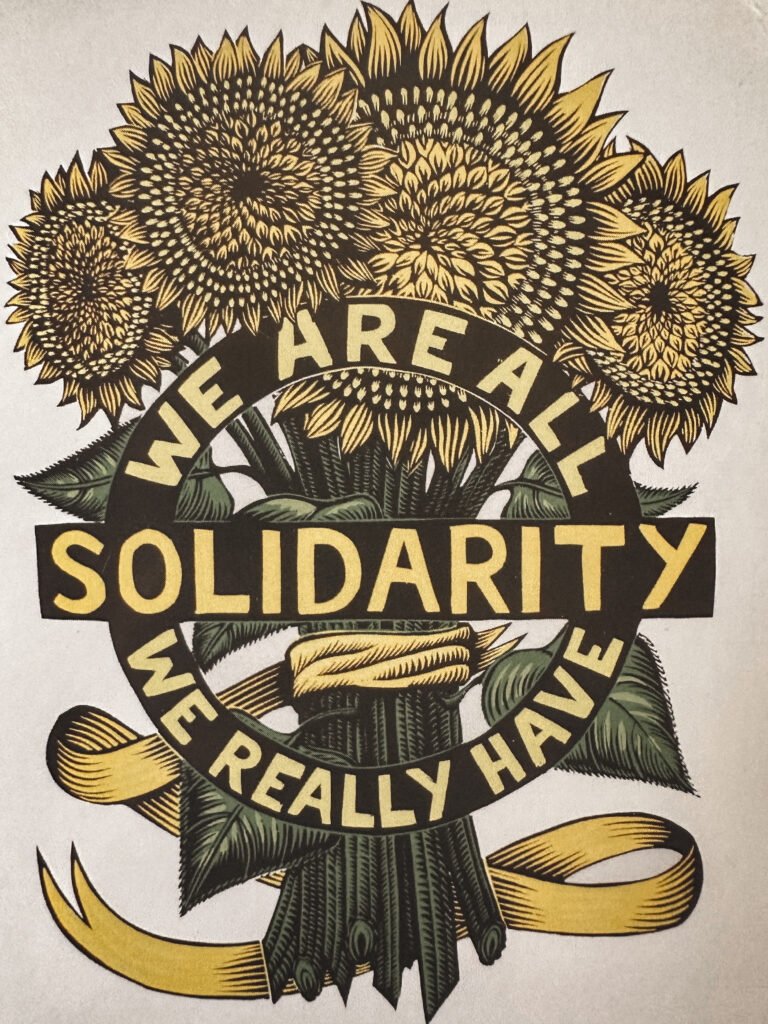
Solidarity Not Charity
“Train yourself towards solidarity and not charity, you are no one’s savior. You are a mutual partner in the pursuit of freedom” – Brittany Packnett Cunningham
We are not a charity or non-profit. We are community members working to build solidarity with those in our community who suffer the most under the exploitative systems currently in place. Unlike charities, which maintain a donor-recipient relationship based on a top-down structure, mutual aid creates reciprocal relationships, where everyone has something to contribute, all needs are valid, and those involved both give and receive support resulting in a horizontal network of care – or what we like to refer to as an ‘ecosystem’ of care. We operate on a solidarity model aiming to create a cooperative interdependent community where we all take responsibility for caring for one another and can change the political conditions by recognizing that the systems are to blame for poverty, not the people. In Dean Spade’s book Mutual Aid he says “Mutual Aid projects let us practice meeting our own and each other’s needs, based in shared commitments to dignity, care, and justice.” That is what South Central Neighborhood Collective strives to do by maintaining the core principles of collective care, autonomy, shared decision making, and solidarity.
What is Mutual Aid?
Mutual Aid is an organizational framework where people come together to collaboratively meet each other’s needs because they recognize that the systems we currently have in place won’t meet them. It is a means of political participation where communities create new social relationships based off cooperation and interdependence instead of exploitation and individualism. Mutual Aid is not new, Black and Indigenous communities have practiced mutual aid for centuries and historically people have always connected with each other and shared everything they needed to survive. But capitalism and colonialism forced people into systems of isolation and hyper-individualism, leaving us reliant on hostile systems that place profit above people.
Mutual Aid projects aim to collectively meet the needs of a community while also building a shared understanding of the root cause for these unmet needs— the systems currently in place. Rather than an exclusive group of “experts” mutual aid projects are an open invitation for the community to be involved in the decision making and execution of community care. Mutual Aid is voluntary, cooperative, and horizontal. Mutual Aid save lives and creates the world we want to live in.
Some examples of mutual aid include:
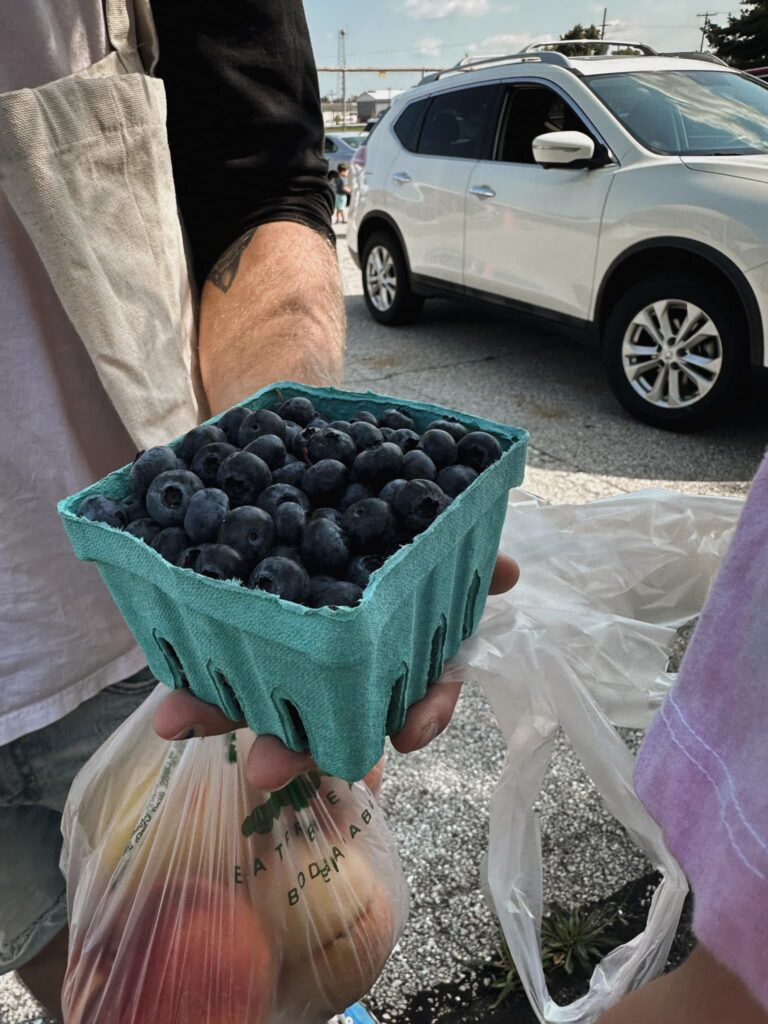
Community Gardens
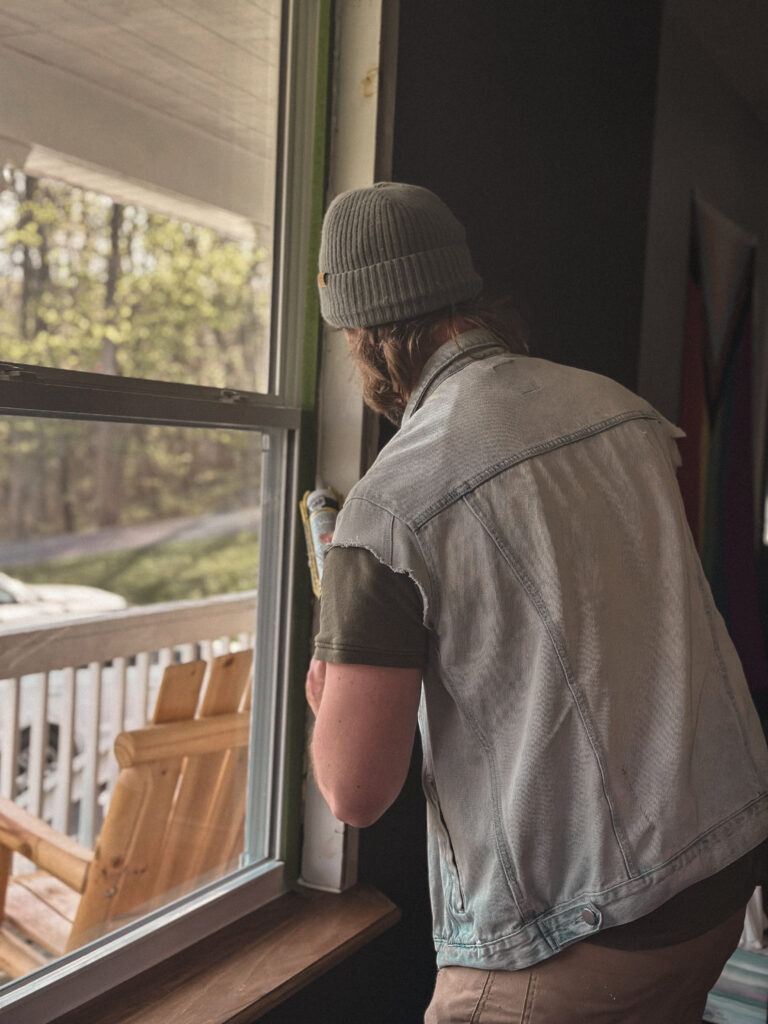
Skill Shares
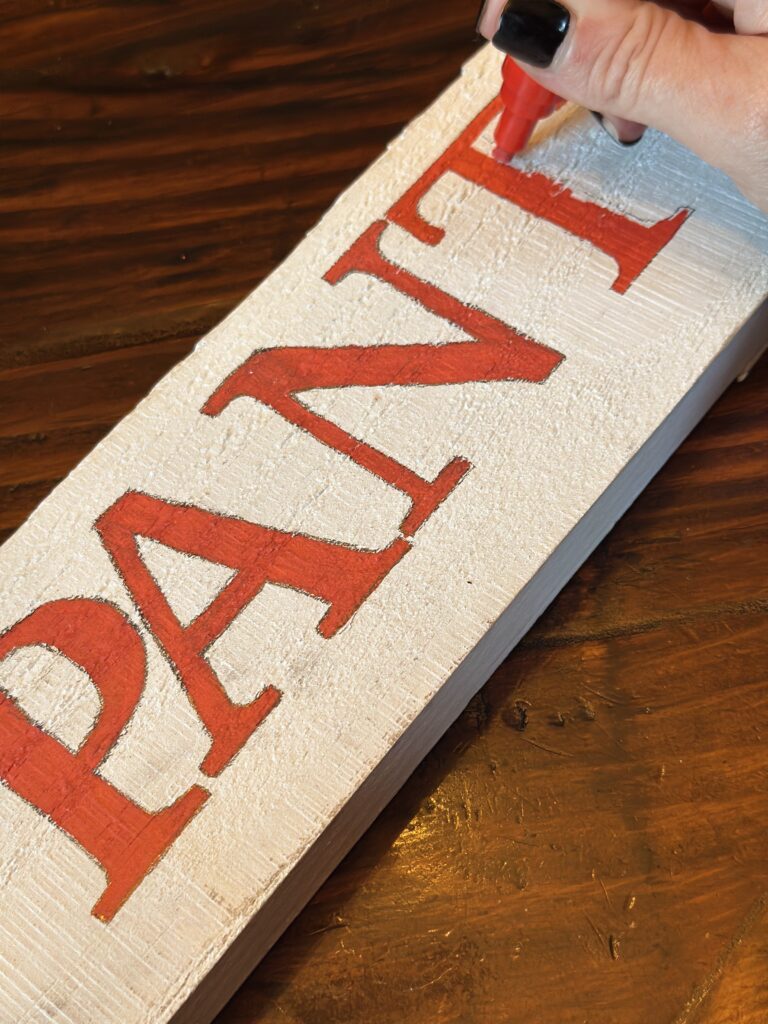
Little Free Pantries